Neurodiversity is the wide range of variation in human brains and minds. The term “neurodiversity” was coined by Autistic people on web forums in the 1990s.
Who is neurodivergent?
Neurodivergent people have brains that differ significantly from the societal norm, either from birth or acquired later in life. They may have cognitive, learning, psychiatric, neurodevelopmental, or other brain-based disabilities or be considered “gifted.”
What is the Neurodiversity Movement?
The Neurodiversity Movement is a social justice movement that was started in the 1990s by Autistic activists. It advocates for the civil rights and social inclusion of neurodivergent people. A key principle of the movement is accepting neurodivergent people’s differences, instead of assuming they need to be fixed or cured.
What is autism?
Autism is a neurodevelopmental disability that affects the way people process information. Autistic people often experience communication, sensory, and motor differences. These differences do not need to be fixed but understood and supported.
Can I say "Autistic"?
Yes! Although some people prefer Person First Language (“person with autism”), most of the Autistic community prefers Identity First Language (“Autistic person”) because autism is an important part of who they are.
Can I say "disability"?
Yes! Disability is the word used in the civil rights laws that protect Autistic people’s rights to equal access and accommodations in school, work, and public spaces. July is Disability Pride Month, and disability is not a bad word.
What are models of disability?
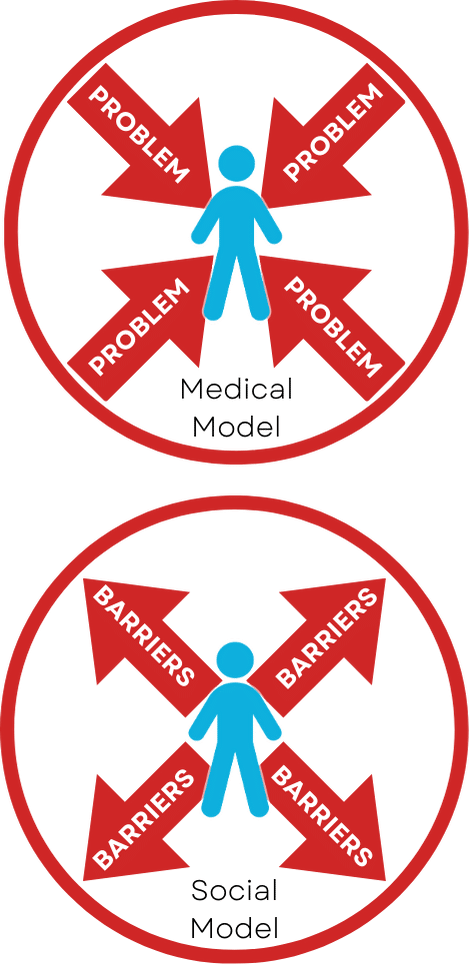
Models of disability are different ways of thinking about the cause of disability. The Medical Model says disability is caused by a person’s impairment, and the person should be fixed. The Social Model says disability is caused by the way society is organized, and society should be fixed. The Neurodiversity Movement applies the Social Model to brain- based disabilities.
What does it take to move past basic compliance for students with disabilities?
The All Learners Action Lab Report highlights key takeaways from 10 school teams across the country piloting real-world solutions for students with disabilities.