
Disability: Autism
-
Autism Awareness Month 2026: What It Is, This Year’s Theme, and How Your Family Can Celebrate Differences
April is Autism Awareness Month – and in 2026, the theme is “Celebrate Differences.” Here is everything your family needs to know: the history, the shift to acceptance, 10 meaningful… Every April, millions of families, educators, and advocates come together to recognize Autism Awareness Month – a time dedicated to understanding, accepting, and celebrating the autistic community.…
-

Conflict Resolution Steps Lesson Plan
Through this lesson plan, students will be learn to: Understand the importance of regulation before problem-solving; Understand the difference between facts and interpretations in conflict; Recognize emotions and underlying needs; Learn a structured approach to resolving conflict.
-

Conflict Resolution for Neurodivergent Students
Conflict is often treated as a behavior issue that needs to be corrected quickly before it escalates. Getting to the root of the conflict and providing structure to help students resolve it reduces escalation and builds long-term problem-solving skills instead of short-term compliance.
-
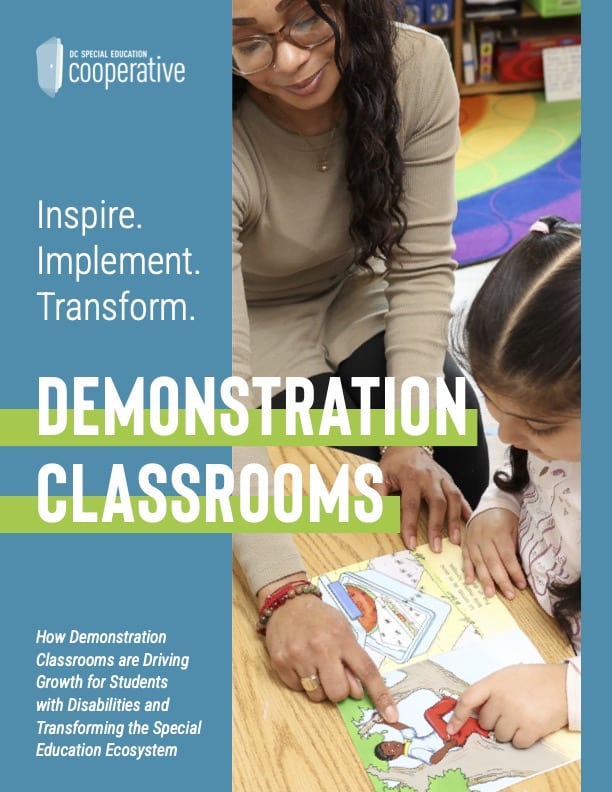
Demonstration Classrooms
The Special Education Cooperative’s Demonstration Classrooms Report highlights a professional learning model that uses classroom demonstrations to share instructional practices. The report details how these classrooms were structured, what strategies were used, and how schools and educators applied lessons learned.
-
Cultivating a Strong Assistive Technology Program
This resource from The Arc provides practical guidance on developing and sustaining strong assistive technology (AT) programs in schools and districts. It highlights best practices for evaluating student needs, integrating AT into instruction, training staff, and partnering with families to ensure students with disabilities have the tools they need to access learning and thrive.
