Theme: Intersectional Needs and Considerations

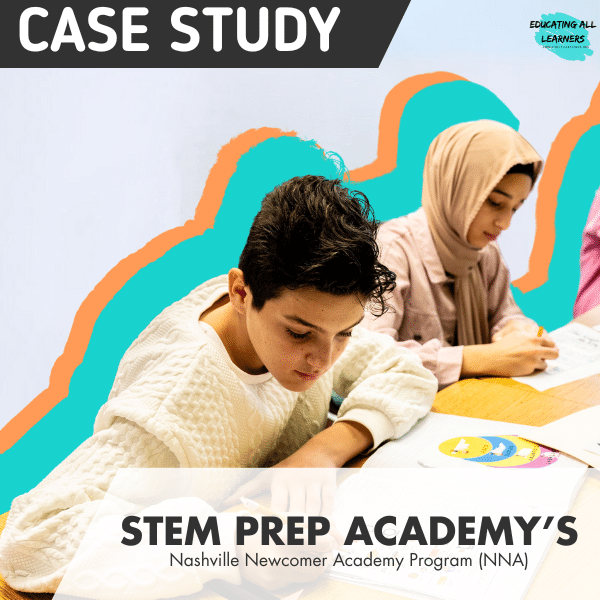
  • Nashville Newcomer Academy: Providing Support and Rigor for English Language Learners

    Nashville Newcomer Academy: Providing Support and Rigor for English Language Learners

    by

    In this case study, we discover how one Nashville middle school integrates culturally responsive teaching practices and community engagement to empower newcomer students.    Establishing the Nashville Newcomer Academy  In 2015, under Karl Dean’s mayoral leadership, Nashville expanded its educational programs to serve better the diverse student and family population in Metro Public Schools. This…

  • Empowered and Equipped: A Personal Perspective of Neurodiversity

    by

    What does it mean to be a “different thinker” or identify as neurodiverse? Where can we find the full potential of our community? And how can we make strides toward creating a world in which every learner is recognized? By sharing his own experiences with dyslexia and ADHD, David Flink will provide answers to these…

  • How to Conduct a Systemic Equity Audit

    by

    Recommendations from a targeted report can help school leaders plan and implement policies that benefit all students.

  • Research-to-Impact Practices

    by

    Download more than 20 best practices to improve learning experiences, environments, and outcomes for Black and Latinx students with disabilities experiencing poverty.

  • Learner-Centered Classrooms: Creating Experiences for Learners to Thrive

    by

    Gain insights into the Learner-Centered Collaborative’s framework and discover concrete strategies that center learners and prepare them for a rapidly evolving world. Join an insightful panel of education professionals with extensive experience leading learner-centered classrooms.

  • Including Neurodiversity in Computational Thinking

    by

    This paper reports on a study of teaching and learning materials designed for the inclusion of neurodivergent learners in computational thinking (CT) in grades 3–8. We define an inclusive classroom as one that has at least 20% of students with individual education plans (IEPs) or equivalent alternative programming for cognitive differences. The study examines how…

  • Embracing Neurodiversity in STEM Education for All Learners

    by

    Listen into the Think Inclusive Podcast as we delve into the fascinating intersection of STEM education, game-based learning, and neurodiversity with our guest, Jodi Asbell-Clarke. With an intriguing blend of personal anecdotes and professional insights, this episode offers a deep dive into the ways educators can foster inclusive STEM classrooms that empower all learners, including…

  • Embracing Neurodiversity: The Impact of an Educational Diagnosis on the Sense of Belonging and Learning Experience

    by

    In this webinar, a panel of Eye to Eye Young Adult Ambassadors  will share stories of their lived experience of the  process of educational diagnosis and how this impacted their sense of belonging and learning experiences.

  • Innovations in Empathy: A Multidimensional, Dynamic Approach to Building Empathy

    by

    Explore the Empathy Framework, a theory-based approach to teaching empathy through self-practice, in-class community building, and technology-based global collaborations. Learn about the dimensions of empathy and how to apply the Framework in K-12 classrooms. Engage in interactive SEL exercises, share reflections, and discover real-world examples of empathy-building activities and programming.

  • Tech Tool of the Month: Cephable

    by

    Tune in to learn how EALA’s Tech Tool of the Month (TTOTM), Cephable,  an assistive technology platform, is moving digital interaction beyond keyboard and mouse. The Cephable team will demonstrate how it adapts to the user, enables new input controls through voice, face, and motion for a more accessible digital experience.