
Theme: Social Emotional Wellbeing and Climate
-
Closing Achievement Gaps: A Gradient Learning Case Study
This case study examines how a middle school addressed persistent achievement gaps through a personalized learning model. By leveraging innovative strategies such as goal-setting, student ownership, and collaborative learning, the school achieved measurable improvements in student outcomes. This resource is an excellent tool for educators and administrators seeking to adapt evidence-based approaches to foster equity…
-
Early Childhood Administrators Value Data for Decisionmaking
This report from the Data Quality Campaign highlights the power of early childhood data to support young learners and their families. Drawing from nationwide polling, it underscores the importance of making data accessible and actionable for families, educators, and policymakers. The resource provides practical strategies to design equitable data systems that inform decisions, enhance collaboration…
-
Learning and Thinking Differences: A Playbook for Schools, Service Providers & Advocates
This playbook offers practical strategies for supporting students with learning and thinking differences, such as dyslexia, ADHD, and processing challenges. Designed for educators, service providers, and advocates, it provides actionable advice on identifying needs, implementing effective interventions, and fostering inclusive environments. A vital tool for those committed to improving outcomes and promoting equity for students…
-
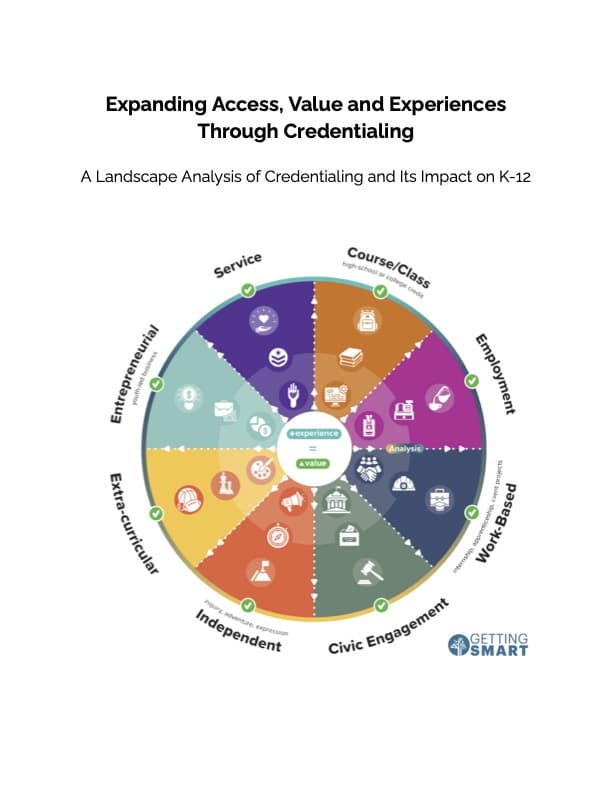
Expanding Access, Value and Experiences Through Credentialing
This resource delves into how credentials can enhance equity, expand career opportunities, and provide meaningful learning pathways. It offers actionable insights for educators, employers, and policymakers to implement effective credentialing systems.
-

STEM for All Toolkit
This resource offers practical tips and strategies for making STEM education more inclusive and engaging for all learners. It supports educators in creating accessible and empowering STEM experiences that cater to students with diverse abilities, ensuring every student has the opportunity to succeed and thrive in the STEM field.
-

Vision for Inclusion: Key Steps to Make College Accessible for Visually Impaired Students
This resource outlines actionable strategies to create an inclusive and accessible college environment for visually impaired students. It highlights essential considerations such as adopting assistive technologies, improving campus navigation, and fostering inclusive teaching practices. With a focus on breaking down barriers, this guide empowers educators, administrators, and policymakers to ensure equitable access to higher education…
-
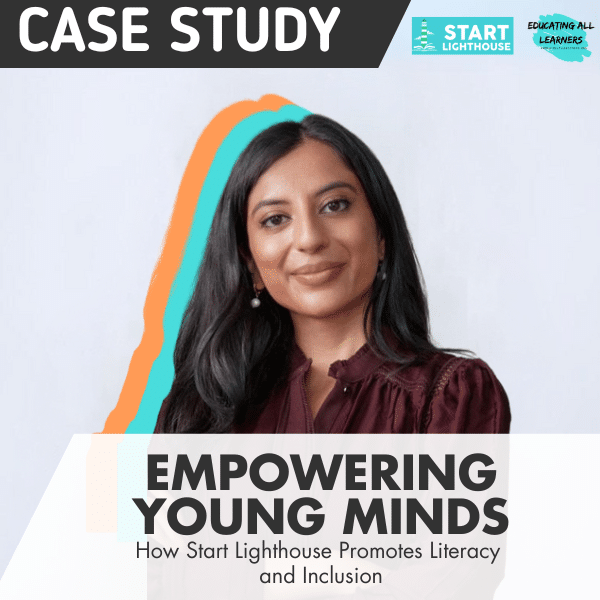
Empowering Young Minds: How Start Lighthouse Promotes Literacy and Inclusion
This case study explores how Start Lighthouse is addressing the literacy crisis in underserved communities through culturally relevant programs. Co-founded by Rina Madhani and Brittany Kramer in 2020, the organization promotes inclusion and empowerment with initiatives like Literacy Hubs and the “Woke Activists” curriculum. By repurposing unused spaces into vibrant literacy centers and offering resources…
-
Innovation Configurations
CEEDAR provides Innovation Configurations (ICs) to guide educators in implementing evidence-based practices. These tools help schools and districts align instruction, curriculum, and assessment with best practices for diverse learners, including students with disabilities. The ICs are designed to support the consistent delivery of high-quality, inclusive education by providing clear frameworks for effective teaching strategies.
-
What to Ask in Parent-Teacher Conferences
This resource from PASen provides essential guidance for parents navigating parent-teacher conferences. It outlines key questions to ask about academic progress, social and emotional development, and classroom behavior, helping parents actively participate in their child’s education. By equipping parents with insightful questions, the guide fosters a collaborative approach between home and school, encouraging open communication…