
Disability: Deafness and Hearing Impairment
-
Cultivating a Strong Assistive Technology Program
This resource from The Arc provides practical guidance on developing and sustaining strong assistive technology (AT) programs in schools and districts. It highlights best practices for evaluating student needs, integrating AT into instruction, training staff, and partnering with families to ensure students with disabilities have the tools they need to access learning and thrive.
-
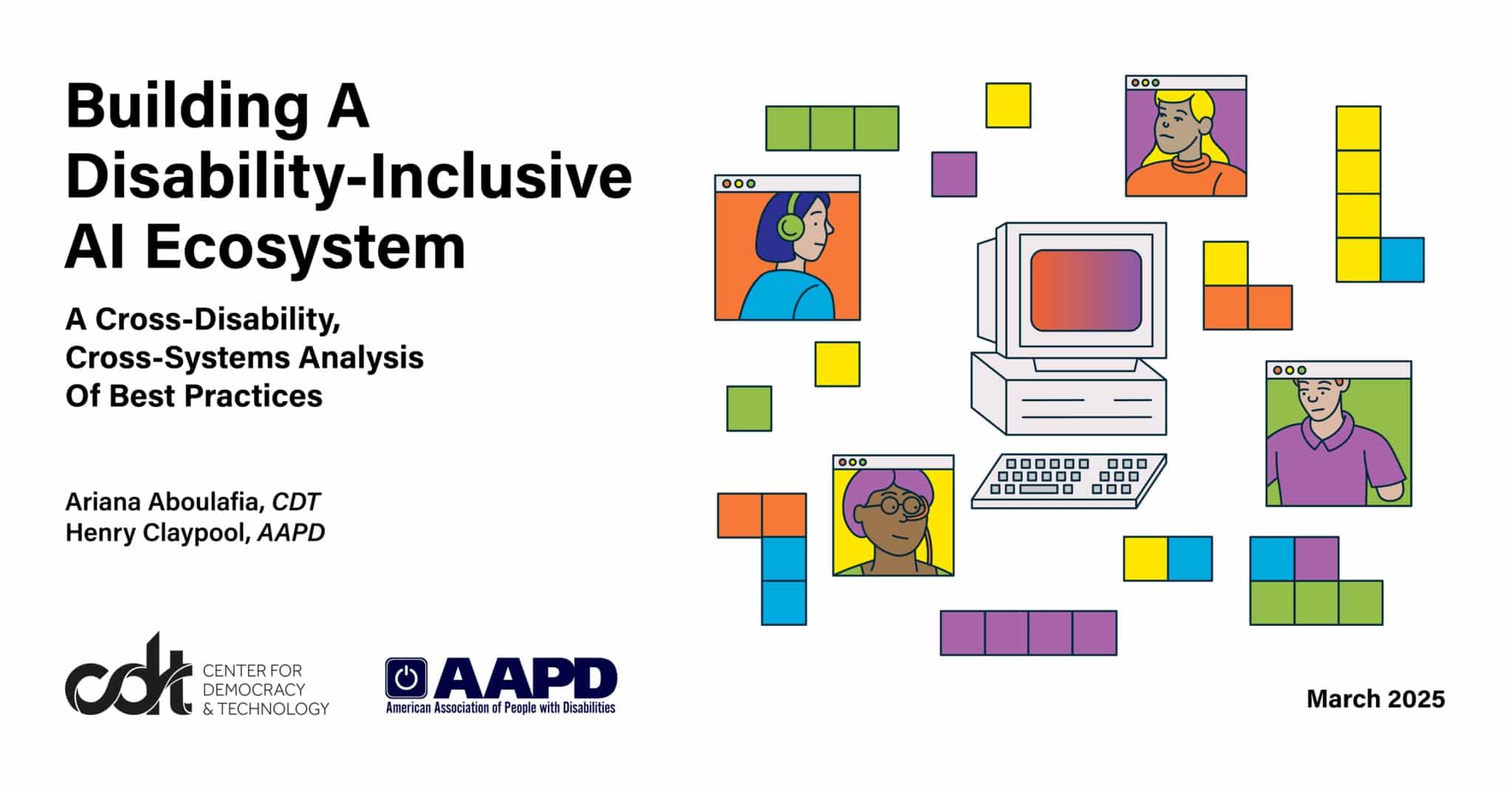
Building a Disability-Inclusive Artificial Intelligence (AI) Ecosystem: A Cross-Disability, Cross-Systems Analysis of Best Practices
This report from the Center for Democracy & Technology explores how AI impacts people with disabilities across systems like education and healthcare. It offers best practices and policy recommendations to ensure AI tools are inclusive, highlighting the importance of centering disabled voices and intersectional needs.
-
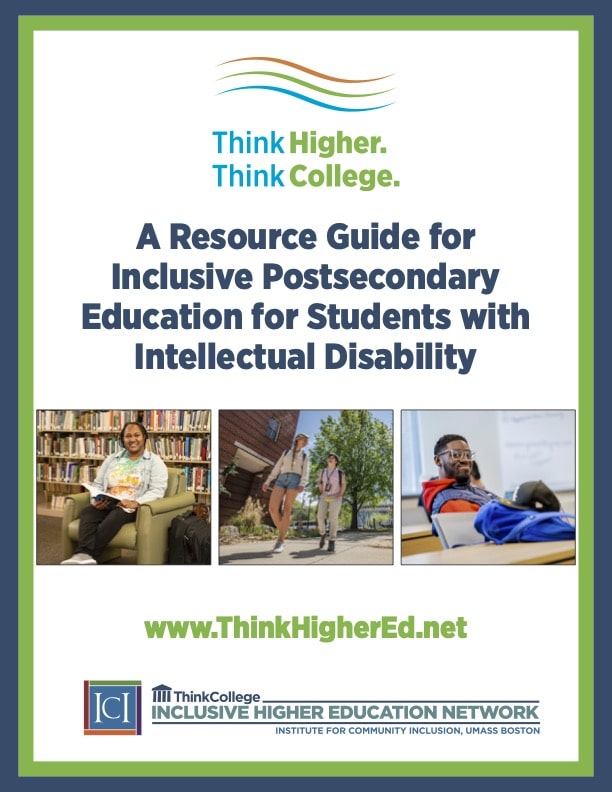
A Resource Guide for Inclusive Postsecondary Education for Students with Intellectual Disability
The Transforming College Campaign Resource Booklet offers strategies and resources to promote inclusive and equitable higher education. It provides practical advice for improving campus environments and support services, helping institutions create spaces where all students, particularly those from underserved communities, can thrive.
-

Accessibility Guidelines for Augmented and Virtual Reality
The National Disability Rights Network (NDRN) provides essential accessibility guidelines for augmented and virtual reality (AR/VR) in education. This resource outlines best practices for designing inclusive AR/VR experiences, ensuring that students with disabilities can fully engage with immersive learning tools. The guide addresses accessibility considerations for students with visual impairments, hearing impairments, mobility challenges, and…
-
Description Key
The Description Key, developed by the Described and Captioned Media Program (DCMP), is an invaluable resource for educators, families, and media professionals. It serves as a comprehensive guide to creating high-quality audio descriptions that make visual content accessible to individuals with visual impairments. The tool outlines key principles, best practices, and practical techniques for describing…
-
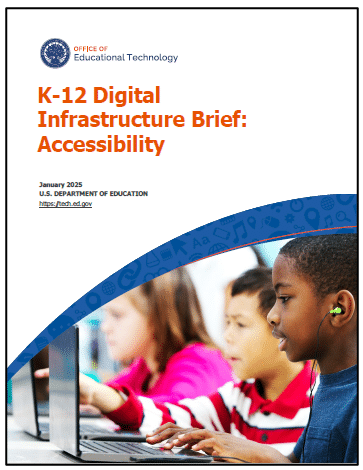
K-12 Digital Infrastructure: Accessibility
The Digital Infrastructure and Accessibility Toolkit from the U.S. Department of Education provides guidance for schools and districts on ensuring digital learning environments are accessible and inclusive. The toolkit outlines key strategies for developing accessible technology infrastructure, selecting inclusive digital tools, and complying with legal accessibility standards. It also highlights best practices for integrating accessibility…
-
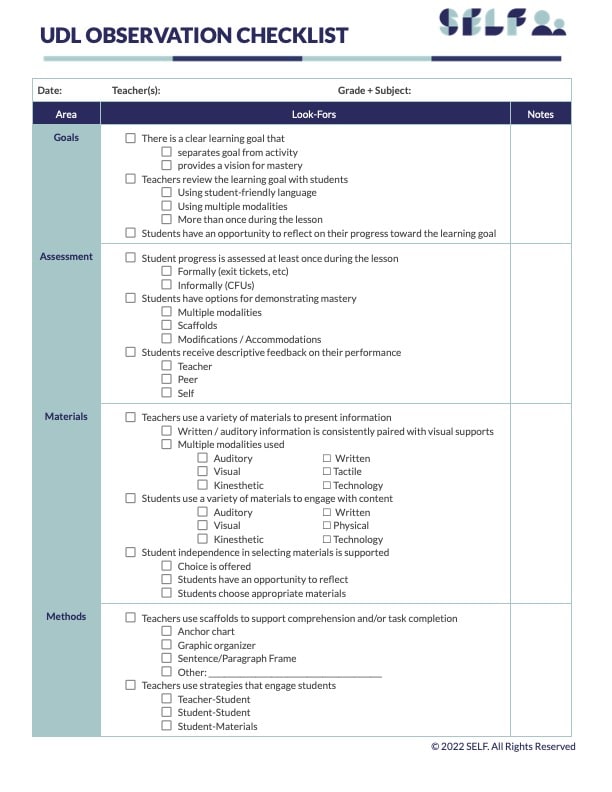
UDL Observation Checklist
The UDL (Universal Design for Learning) Observation Checklist by SELF is a practical tool for evaluating classroom implementation of UDL principles. It helps educators assess whether learning goals, assessments, materials, and teaching methods are inclusive and provide multiple means of engagement, representation, and expression. The checklist ensures that students have diverse options to demonstrate mastery,…
-
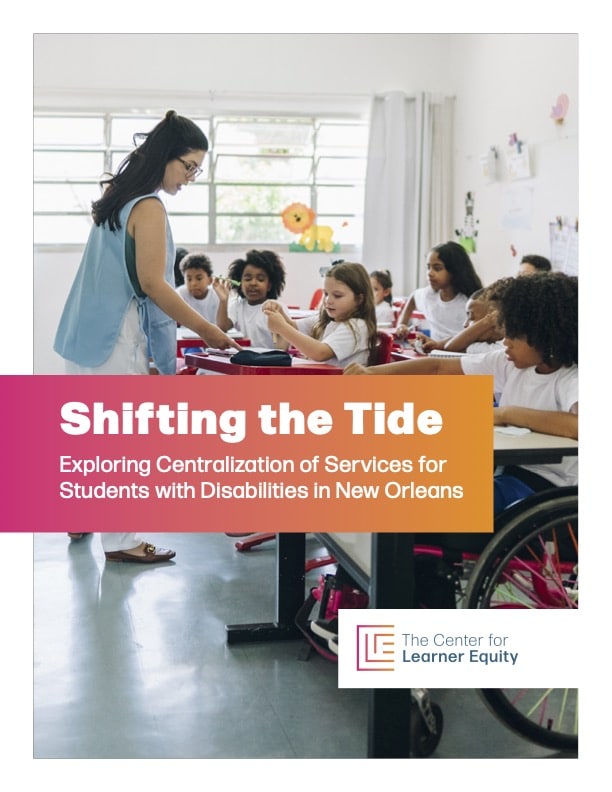
Shifting The Tide: Exploring Centralization of Services for Students with Disabilities in New Orleans
This resource delves into the centralization of special education services in New Orleans, examining how this model has reshaped support for students with disabilities. It explores the benefits and challenges of centralizing resources and services, and its potential to improve equity, access, and outcomes for students across the city. A valuable read for educators, policymakers,…