
Theme: Intersectional Needs and Considerations
-
Centering Student Voice Through Focus Groups: A Districtwide Model
This case study highlights how Longmeadow Public Schools used student-led focus groups to elevate student voice, particularly for students with disabilities. Insights from the focus groups informed improvements to classroom culture, adult-student relationships, and inclusive practices across the district.
-
Artificial Intelligence (AI) Policy Tracker
The CDT AI Policy Tracker monitors U.S. state and federal policy proposals related to artificial intelligence, offering filters by education, privacy, bias, and more. It’s a vital tool for educators, advocates, and policymakers looking to understand how AI legislation may shape the educational experience—especially for students with disabilities or those impacted by inequitable access to…
-
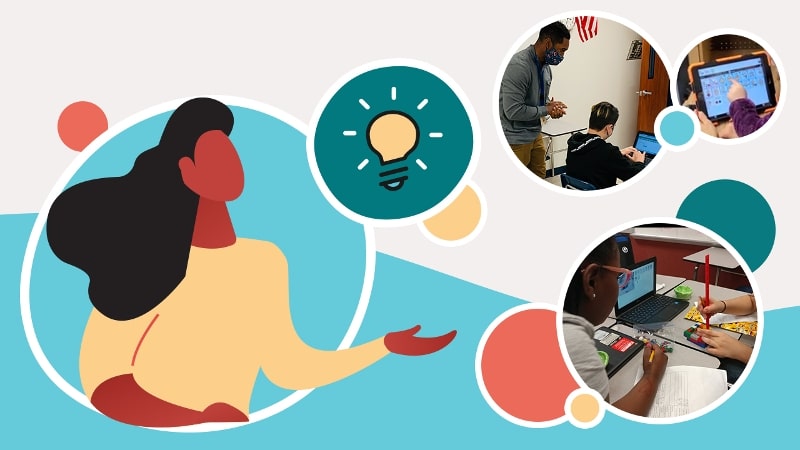
Engage Families in Learning Practices
This resource from CAST’s CITES framework offers actionable strategies for schools and districts to engage families as authentic partners in student learning. It emphasizes digital communication, collaborative goal-setting, and inclusive decision-making to support student outcomes—especially for those who benefit from accessible technologies and individualized learning approaches. The guidance is grounded in Universal Design for Learning…
-

State Policy Framework for Personalized Learning
This State Policy Framework for Personalized Learning from KnowledgeWorks outlines how states can support a vision for student-centered education. The resource provides guidance across key policy areas such as competency-based learning, equity, and assessments equipping policymakers with the tools to champion personalized, inclusive learning systems.
-
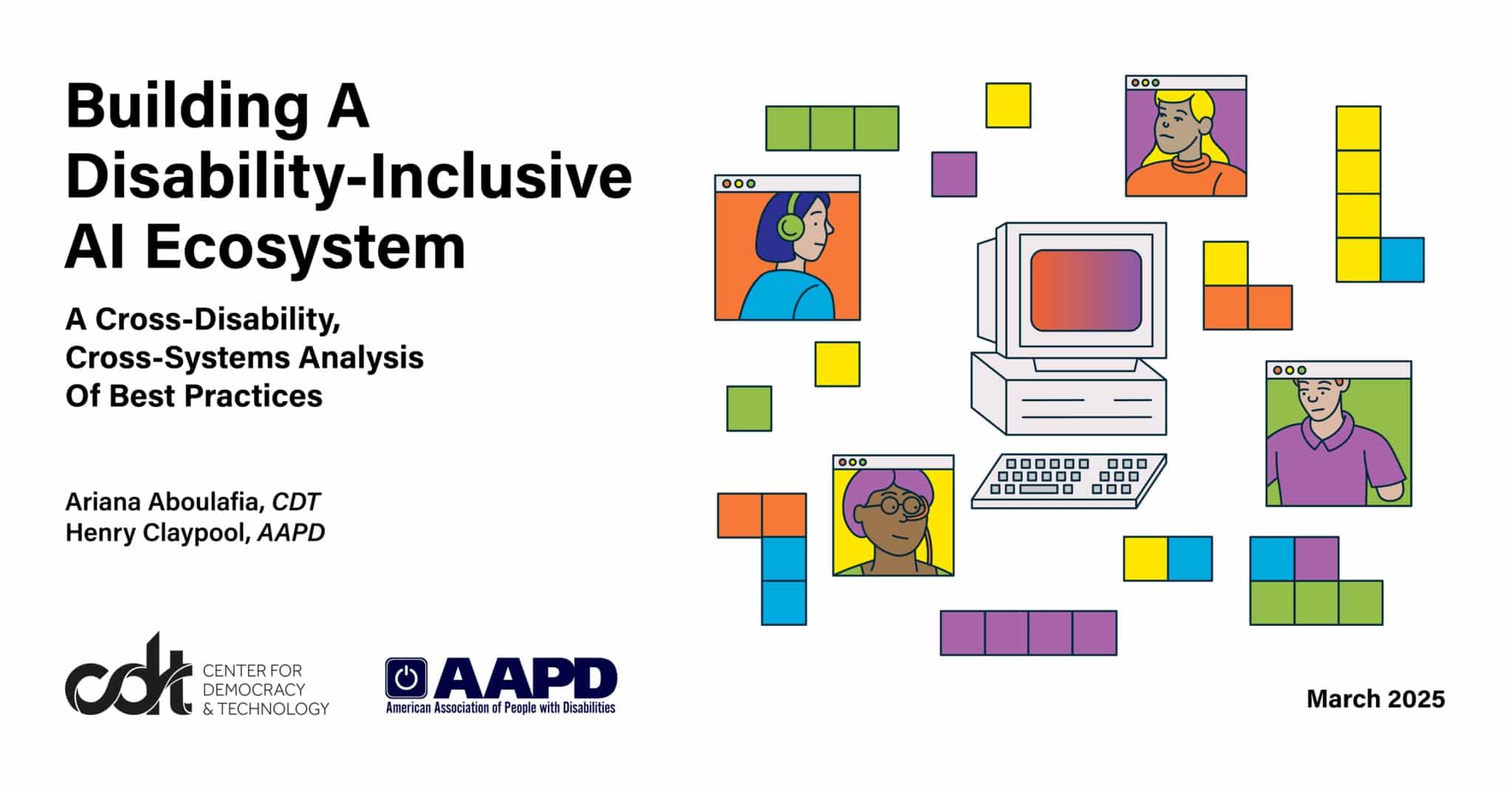
Building a Disability-Inclusive Artificial Intelligence (AI) Ecosystem: A Cross-Disability, Cross-Systems Analysis of Best Practices
This report from the Center for Democracy & Technology explores how AI impacts people with disabilities across systems like education and healthcare. It offers best practices and policy recommendations to ensure AI tools are inclusive, highlighting the importance of centering disabled voices and intersectional needs.
-

Seizing the Opportunity for State Education R&D: Findings and Recommendations for Action
This brief outlines bold, actionable recommendations to help states advance student-centered learning through inclusive assessment systems, redesigned accountability structures, and meaningful engagement of communities. It emphasizes the importance of equity-driven policy, especially for students with disabilities, and is a valuable tool for leaders looking to reimagine education systems with all learners in mind.
-
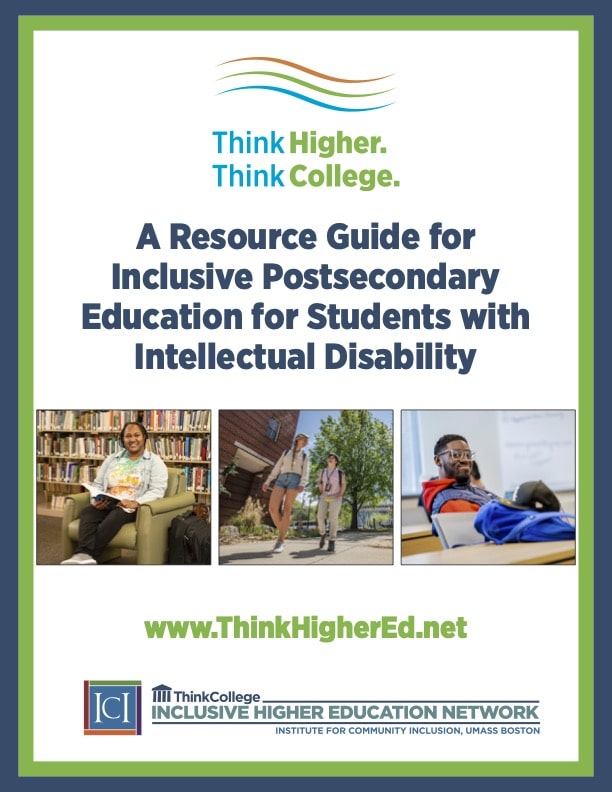
A Resource Guide for Inclusive Postsecondary Education for Students with Intellectual Disability
The Transforming College Campaign Resource Booklet offers strategies and resources to promote inclusive and equitable higher education. It provides practical advice for improving campus environments and support services, helping institutions create spaces where all students, particularly those from underserved communities, can thrive.
-

LIVE Handbook for K-12 Education
The LIVE Handbook is an inclusive education framework designed to help K–12 educators build more equitable and accessible learning environments. It offers practical tools, reflective questions, and implementation strategies that address the needs of diverse learners, including students with disabilities. The resource emphasizes leadership, instructional design, and systems-level planning for inclusive practice.
-
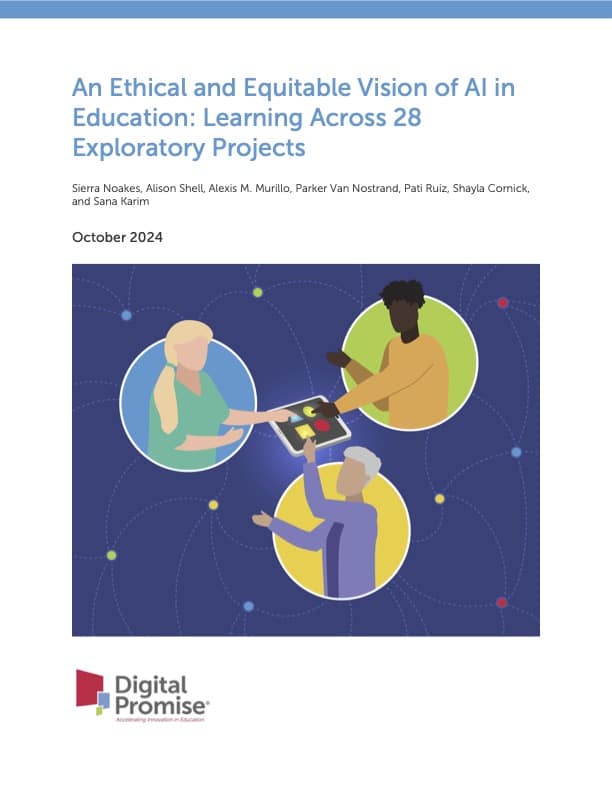
An Ethical and Equitable Vision of Artificial Intelligence (AI) in Education: Learning Across 28 Exploratory Projects
This Digital Promise report highlights how personalized learning approaches can support students experiencing homelessness. It provides examples from school districts that have adopted flexible, student-centered models to address both academic and social-emotional needs. The resource is especially relevant for understanding the intersection of housing insecurity and educational equity.
-
Learning, Leading, and Innovating: DreamHouse ‘Ewa Beach’s Transformative School Study Tour
In this case study, we explore how DreamHouse ‘Ewa Beach Public Charter School, a rapidly growing institution in Kapolei, Hawai’i, leveraged the Educating All Learners Alliance School Study Tour to enhance equity, inclusion, and student engagement. By participating in this transformative experience, the school gained valuable insights into innovative educational practices and strengthened its commitment…
