
Theme: Intersectional Needs and Considerations
-

Internet Connectivity Resources in New Mexico
This resource helps families and educators in New Mexico find affordable internet service providers, ensuring reliable connectivity for students and educators. It highlights programs that provide discounted or free internet services, addressing digital equity and accessibility for students with disabilities who rely on technology for learning.
-

Learner-Centered Ecosystem Lexicon
The Learner-Centered Ecosystem Lexicon is a comprehensive glossary designed to standardize language and concepts within learner-centered education. This resource helps educators, policymakers, and advocates navigate and contribute to the growing ecosystem of personalized, competency-based learning. It provides clarity and alignment for advancing learner-centered practices.
-

In Search of Opportunity: Can Families Use Education Choice to Secure More of What They Want?
This CRPE report examines how education choice programs help families access schools that meet their needs. Through data and interviews, it highlights challenges in navigating these systems and offers insights on making education choice more equitable and effective.
-
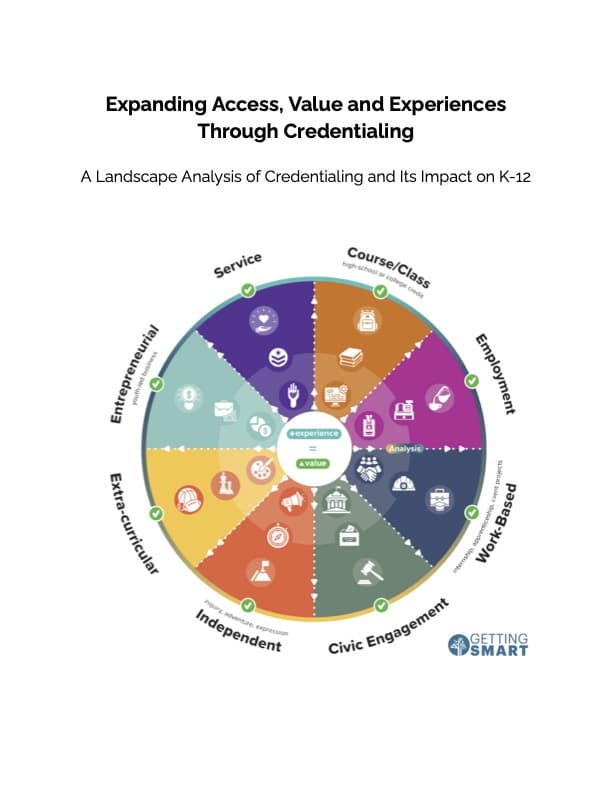
Expanding Access, Value and Experiences Through Credentialing
This resource delves into how credentials can enhance equity, expand career opportunities, and provide meaningful learning pathways. It offers actionable insights for educators, employers, and policymakers to implement effective credentialing systems.
-

STEM for All Toolkit
This resource offers practical tips and strategies for making STEM education more inclusive and engaging for all learners. It supports educators in creating accessible and empowering STEM experiences that cater to students with diverse abilities, ensuring every student has the opportunity to succeed and thrive in the STEM field.
-

Vision for Inclusion: Key Steps to Make College Accessible for Visually Impaired Students
This resource outlines actionable strategies to create an inclusive and accessible college environment for visually impaired students. It highlights essential considerations such as adopting assistive technologies, improving campus navigation, and fostering inclusive teaching practices. With a focus on breaking down barriers, this guide empowers educators, administrators, and policymakers to ensure equitable access to higher education…
-
Empowering Young Minds: How Start Lighthouse Promotes Literacy and Inclusion
This case study explores how Start Lighthouse is addressing the literacy crisis in underserved communities through culturally relevant programs. Co-founded by Rina Madhani and Brittany Kramer in 2020, the organization promotes inclusion and empowerment with initiatives like Literacy Hubs and the “Woke Activists” curriculum. By repurposing unused spaces into vibrant literacy centers and offering resources…
-

Leadership Coaching: A Mechanism for Supporting Organizational Culture and Enabling Conditions
This resource highlights the value of leadership coaching in K-12 schools as a means to build leadership capacity, foster collaborative and inclusive cultures, and drive sustainable change. Through personalized coaching, leaders develop confidence, adaptability, and strategic problem-solving skills that benefit both their personal growth and their school communities. By prioritizing coaching, school leaders can enhance…
-
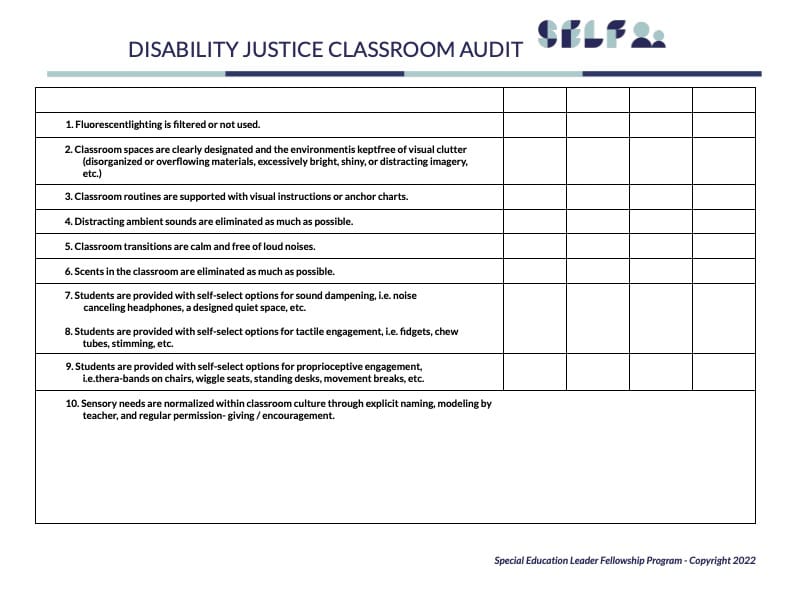
Disability Justice in the Classroom
The Disability Justice Classroom Audit by SELF helps educators assess and improve classroom inclusivity. It covers key areas like sensory environment, representation, accessibility, language, and student autonomy, providing actionable steps for creating a supportive, equitable learning space for all students, particularly those with disabilities.
