
Topic Area: School Culture
-
EALA Multilingual Learners Resource Catalog
At EALA, we know multilingualism is a strength; the ability to navigate multiple languages reflects deep cognitive and cultural knowledge that benefits all students, classrooms, and communities. This collection of resources is designed to highlight and build on those strengths.
-
Principal Support Framework
The Principal Support Framework is a tool to support central office leaders working to center the student experience and to address education inequity. This framework provides system leaders with a student-centered vision for growing equity leadership practices in partnership with school leaders.
-
Professional Learning in an AI World: A Playbook for State and Local Leaders
The rapid adoption of AI-powered tools in K-12 classrooms, paired with the national discourse around developing AI literacy skills, have spotlighted the need to address the digital design divide–defined in the 2024 National Educational Technology Plan.
-
A Guide to Talent Management for Leaders Serving Students with Disabilities
This one-page guide, informed by the reflections of the 2024 EALA New Champions and their mentor, provides crucial insights on navigating the common talent management challenge of balancing execution with team capacity.
-
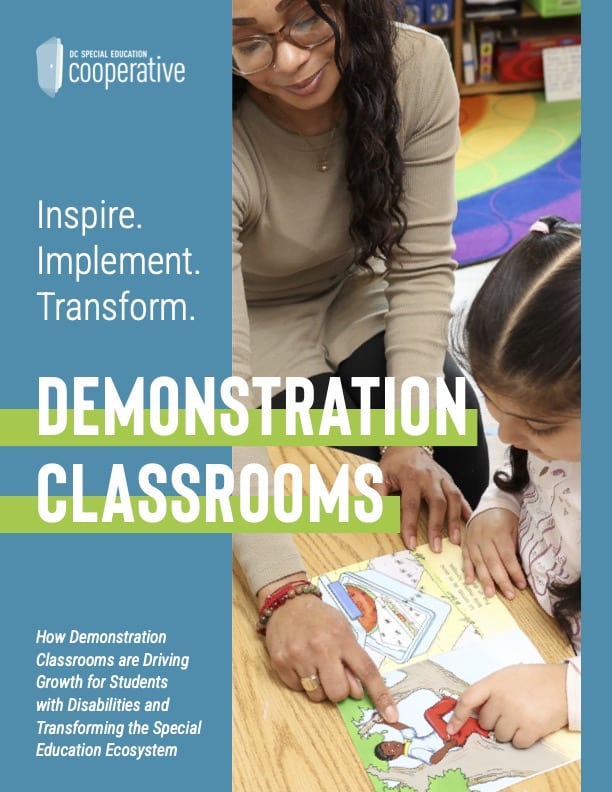
Demonstration Classrooms
The Special Education Cooperative’s Demonstration Classrooms Report highlights a professional learning model that uses classroom demonstrations to share instructional practices. The report details how these classrooms were structured, what strategies were used, and how schools and educators applied lessons learned.
-
A for Effort, Needs Improvement on Execution: Lessons Learned from Failures of AI EdTech Tools
This report from the Center for Democracy & Technology reviews challenges with AI-based education tools. It outlines how issues with design, implementation, and oversight have limited their effectiveness and offers considerations for future use.
