
Topic Area: School Culture
-
Cultivating a Strong Assistive Technology Program
This resource from The Arc provides practical guidance on developing and sustaining strong assistive technology (AT) programs in schools and districts. It highlights best practices for evaluating student needs, integrating AT into instruction, training staff, and partnering with families to ensure students with disabilities have the tools they need to access learning and thrive.
-
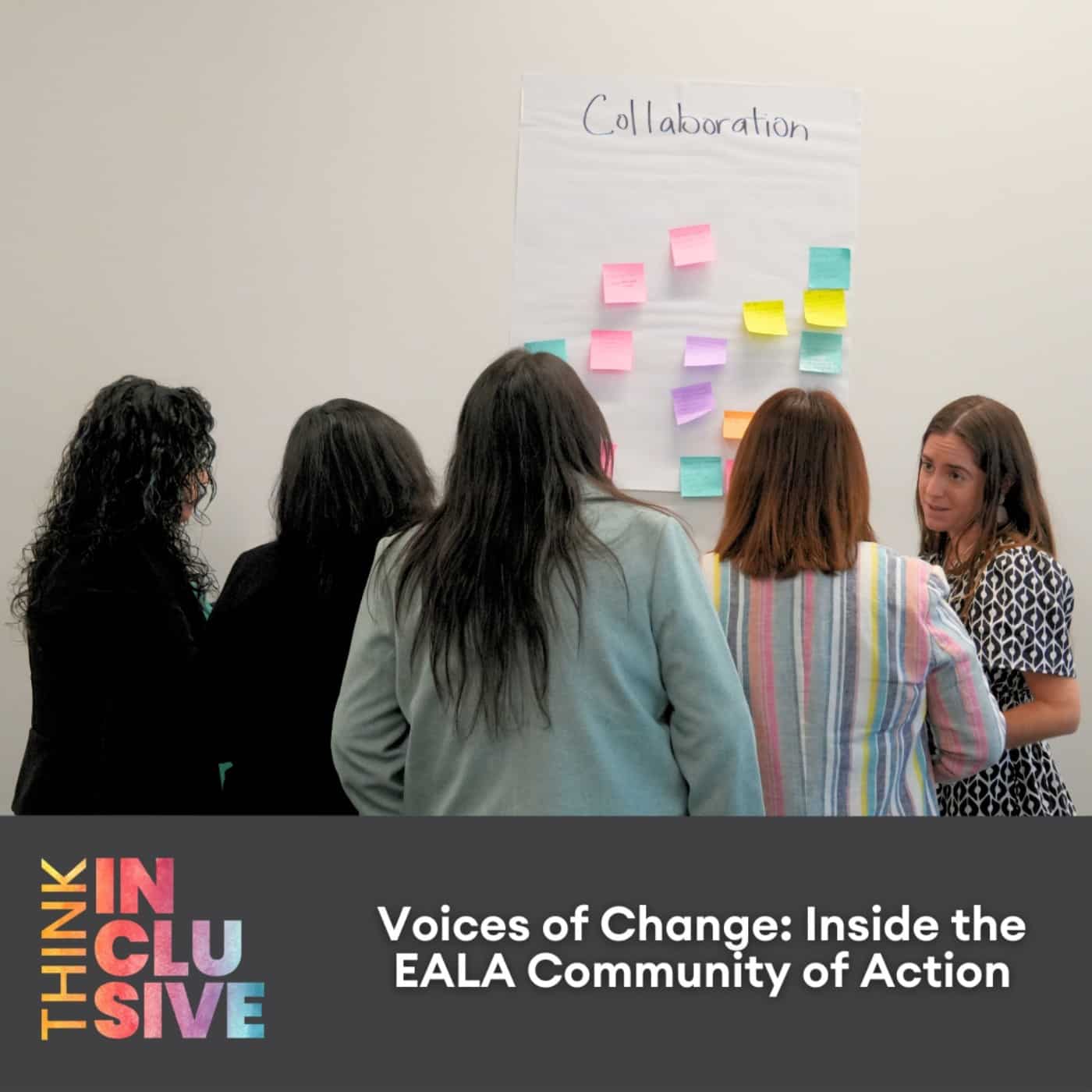
Voices of Change: Inside the EALA Community of Action
In this Think Inclusive episode, members of the EALA Community of Action share insights from an intensive 36-hour innovation sprint that brought together 22 organizations. The conversation explores how co-design, creativity, and community-driven approaches can generate real solutions for inclusive education. It also features two winning projects awarded funding to advance their ideas, offering a…
-
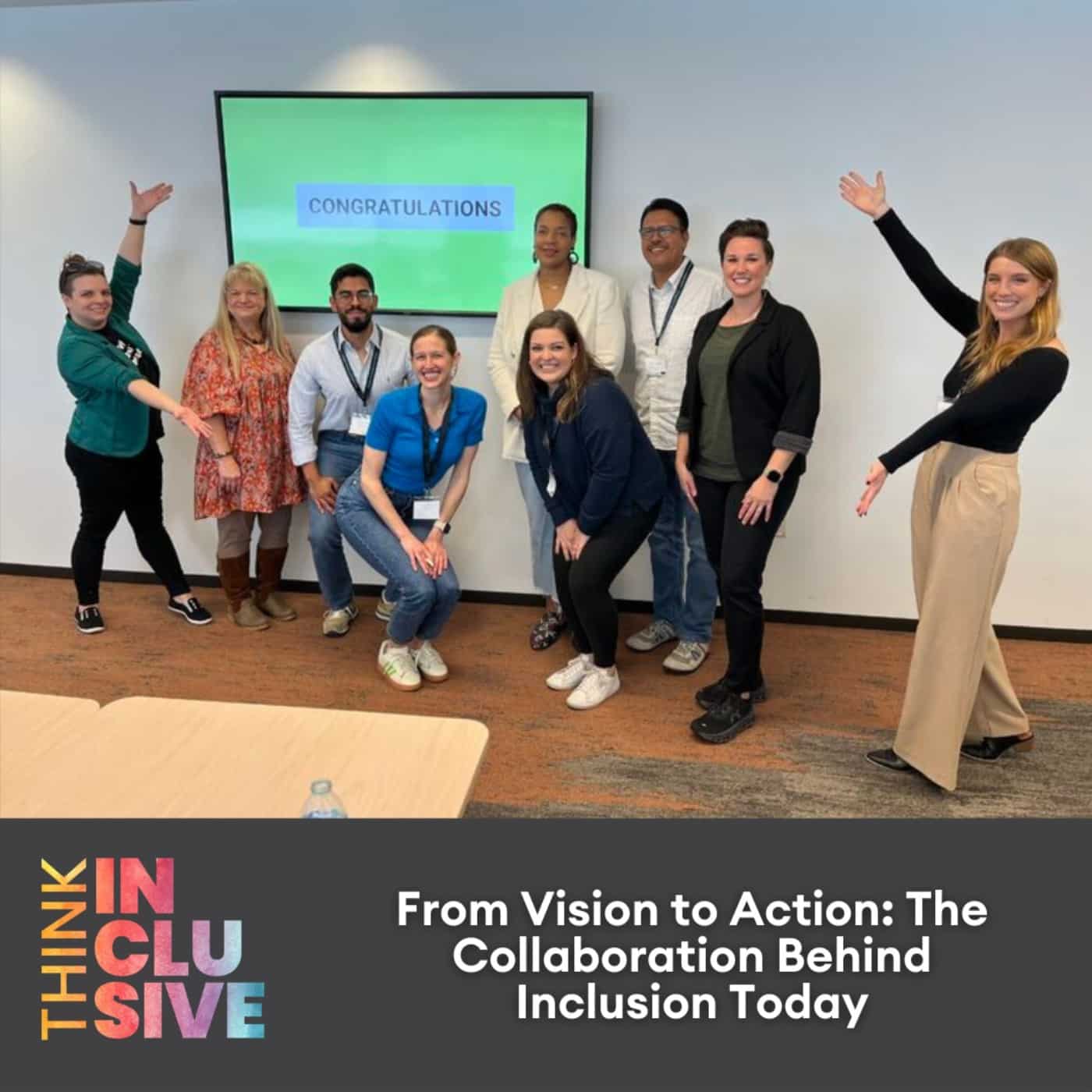
From Vision to Action: The Collaboration Behind Inclusion Today
This podcast episode from Think Inclusive spotlights how the Educating All Learners Alliance (EALA) and the Maryland Coalition for Inclusive Education (MCIE) worked together to move inclusive education from concept to practice. It highlights a national campaign launched to expand inclusive learning environments, reflecting on the collaborative process, shared vision, and strategies that can guide…
-
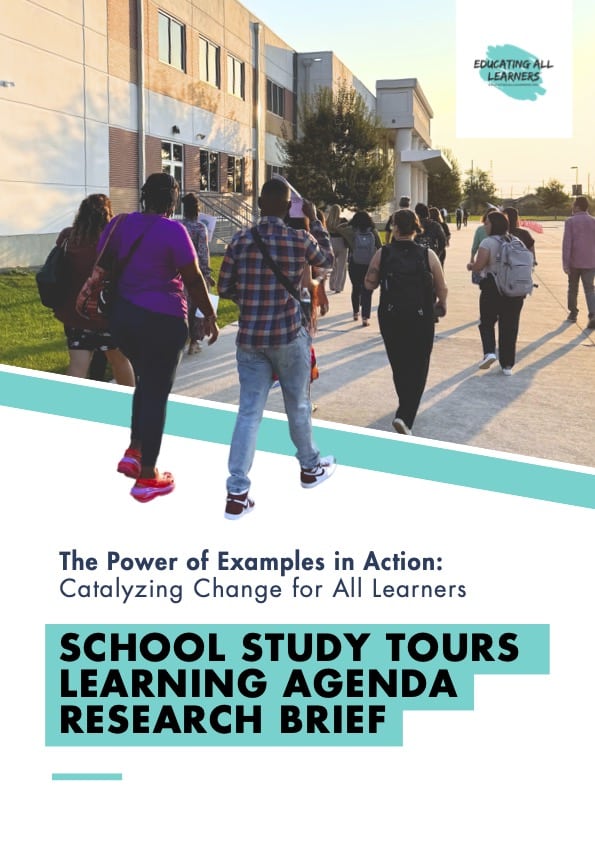
The Power of Examples in Action: Catalyzing Change for All Learners
The EALA School Study Tours Learning Agenda Research Brief showcases how guided school visits, reflection protocols, and collaborative planning help educators adopt inclusive practices that benefit all learners. Featuring 12 Promising Practices—from leader commitment to community engagement—the brief offers evidence-based strategies and real-world examples for improving outcomes for students with disabilities and learning differences.
-
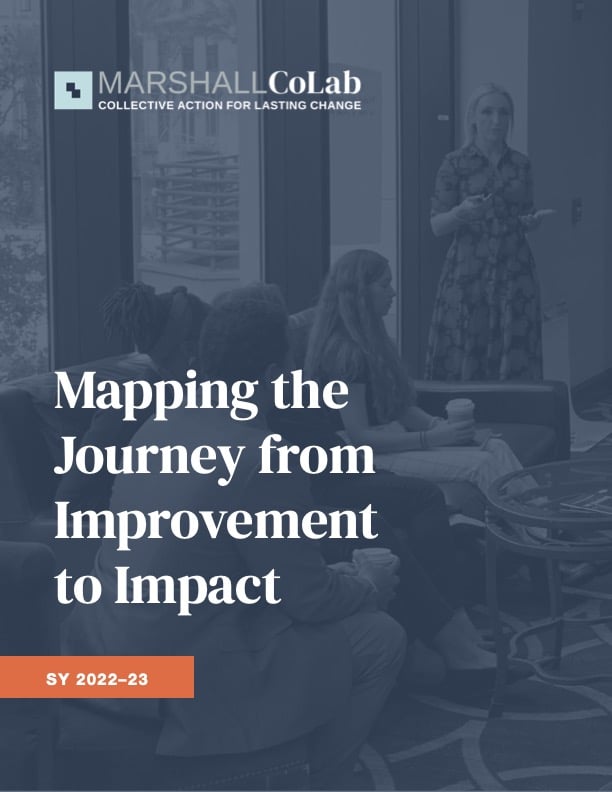
Mapping the Journey from Improvement to Impact
This white paper from Marshall Street outlines lessons from a multi-year improvement initiative with 10 charter networks. It describes strategies like practitioner-led inquiry and data use to drive better outcomes for students with disabilities.
-
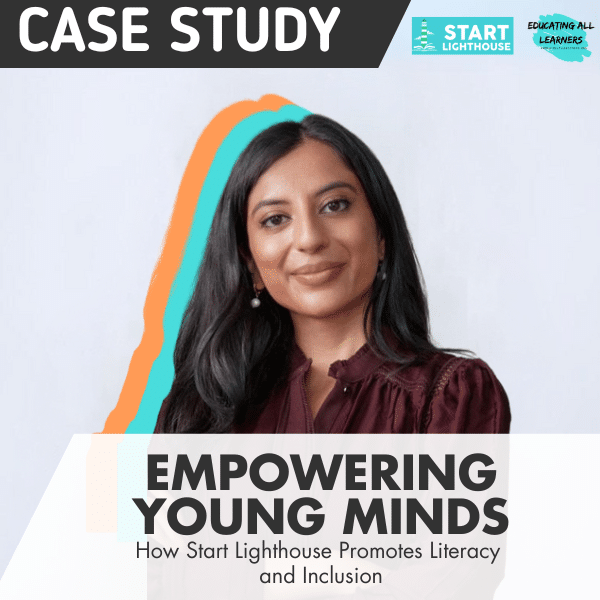
Empowering Young Minds: How Start Lighthouse Promotes Literacy and Inclusion
This case study explores how Start Lighthouse is addressing the literacy crisis in underserved communities through culturally relevant programs. Co-founded by Rina Madhani and Brittany Kramer in 2020, the organization promotes inclusion and empowerment with initiatives like Literacy Hubs and the “Woke Activists” curriculum. By repurposing unused spaces into vibrant literacy centers and offering resources…
-

What to Ask in Parent-Teacher Conferences
This resource from PASen provides essential guidance for parents navigating parent-teacher conferences. It outlines key questions to ask about academic progress, social and emotional development, and classroom behavior, helping parents actively participate in their child’s education. By equipping parents with insightful questions, the guide fosters a collaborative approach between home and school, encouraging open communication…
