
Disability: ADD and ADHD
-

Executive Functioning: Navigating Key Transitions for Neurodivergent Youth
In this Neurodiversity Education Series event, Nicole Ofiesh, PhD, delves into the critical role executive functioning plays during key transitions and share actionable strategies for parents and educators to better support neurodivergent students.
-
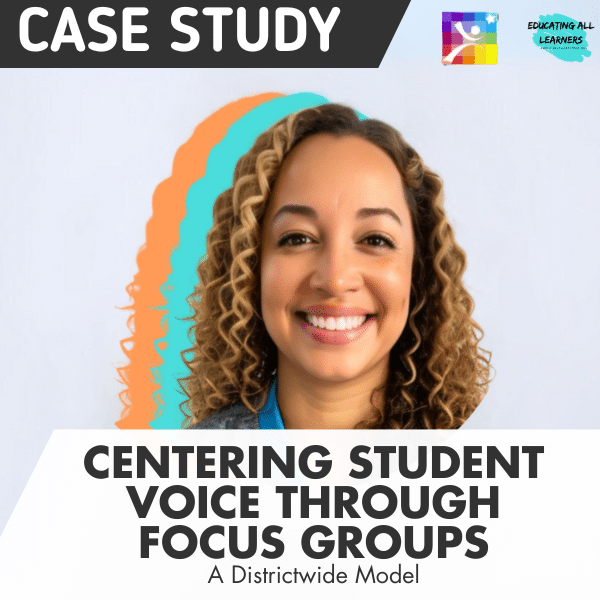
Centering Student Voice Through Focus Groups: A Districtwide Model
This case study highlights how Longmeadow Public Schools used student-led focus groups to elevate student voice, particularly for students with disabilities. Insights from the focus groups informed improvements to classroom culture, adult-student relationships, and inclusive practices across the district.
-

Inclusive & Innovative Assessments for Students with Learning Disabilities
This policy brief outlines how inclusive, innovative assessment systems can better serve students with learning disabilities. NCLD explores how next generation assessments, such as performance tasks and technology enhanced measures, can offer deeper insights into student learning and align with policy reforms. The resource highlights gaps in current practices and provides recommendations to states and…
-
Artificial Intelligence (AI) Policy Tracker
The CDT AI Policy Tracker monitors U.S. state and federal policy proposals related to artificial intelligence, offering filters by education, privacy, bias, and more. It’s a vital tool for educators, advocates, and policymakers looking to understand how AI legislation may shape the educational experience—especially for students with disabilities or those impacted by inequitable access to…
-
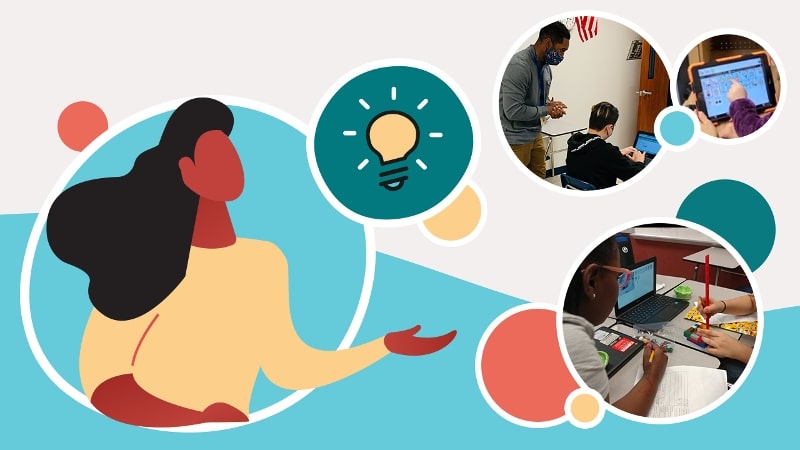
Engage Families in Learning Practices
This resource from CAST’s CITES framework offers actionable strategies for schools and districts to engage families as authentic partners in student learning. It emphasizes digital communication, collaborative goal-setting, and inclusive decision-making to support student outcomes—especially for those who benefit from accessible technologies and individualized learning approaches. The guidance is grounded in Universal Design for Learning…
-

THRIVE PLC: Professional Learning Community
The Ability Challenge’s THRIVE PLC offers an inclusive, data-informed professional learning community designed for educators seeking to improve instruction for all learners, especially those with disabilities. With a blend of workshops, coaching, and peer collaboration, THRIVE empowers educators to translate inclusive practices into everyday teaching.
-
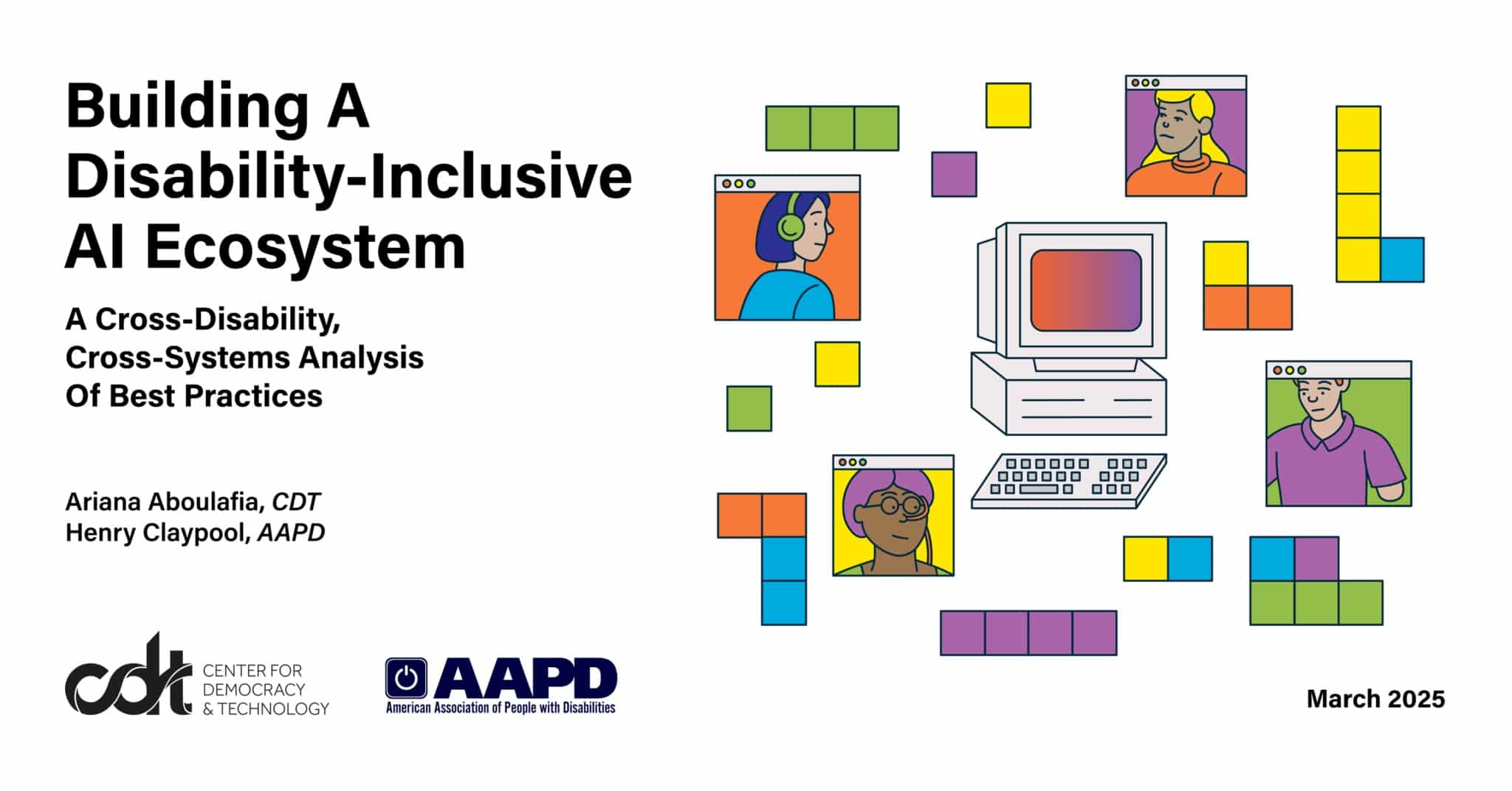
Building a Disability-Inclusive Artificial Intelligence (AI) Ecosystem: A Cross-Disability, Cross-Systems Analysis of Best Practices
This report from the Center for Democracy & Technology explores how AI impacts people with disabilities across systems like education and healthcare. It offers best practices and policy recommendations to ensure AI tools are inclusive, highlighting the importance of centering disabled voices and intersectional needs.
-

Seizing the Opportunity for State Education R&D: Findings and Recommendations for Action
This brief outlines bold, actionable recommendations to help states advance student-centered learning through inclusive assessment systems, redesigned accountability structures, and meaningful engagement of communities. It emphasizes the importance of equity-driven policy, especially for students with disabilities, and is a valuable tool for leaders looking to reimagine education systems with all learners in mind.
-
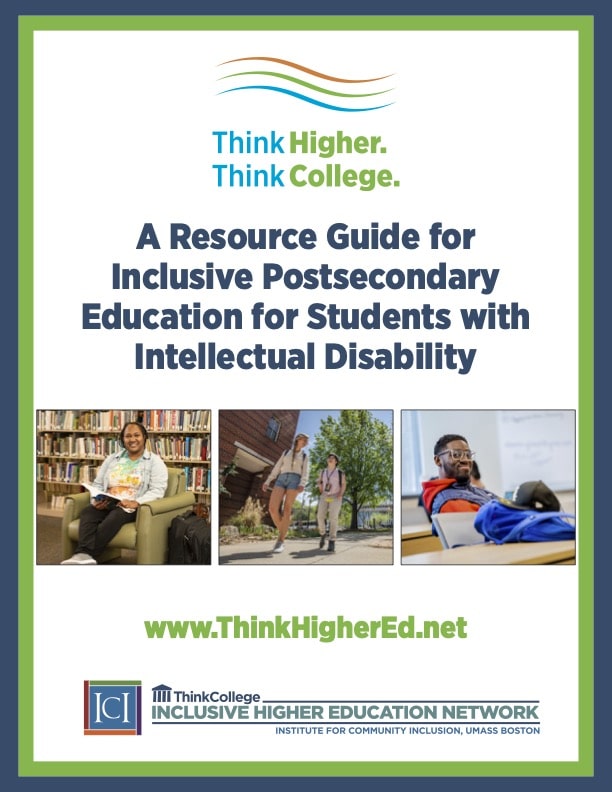
A Resource Guide for Inclusive Postsecondary Education for Students with Intellectual Disability
The Transforming College Campaign Resource Booklet offers strategies and resources to promote inclusive and equitable higher education. It provides practical advice for improving campus environments and support services, helping institutions create spaces where all students, particularly those from underserved communities, can thrive.