
Theme: Intervention and Related Services
-

Child Safeguarding for Parents and Caregivers
Keeping kids safe online starts with open conversations at home. Instead of just limiting screen time, parents and caregivers need clear ways to build trust, set healthy boundaries, and help kids make smart choices online. EALA’s easy-to-use guide gives you simple steps to tackle online safety together, including tailored tips for kids with learning differences.
-

Child Safeguarding for EdTech Developers
This action pack helps EdTech developers design secure, privacy-first, and accessible software. This practical guide provides technical guidelines, learning science considerations, and governance frameworks to build tools that protect all students, especially learners with disabilities.
-
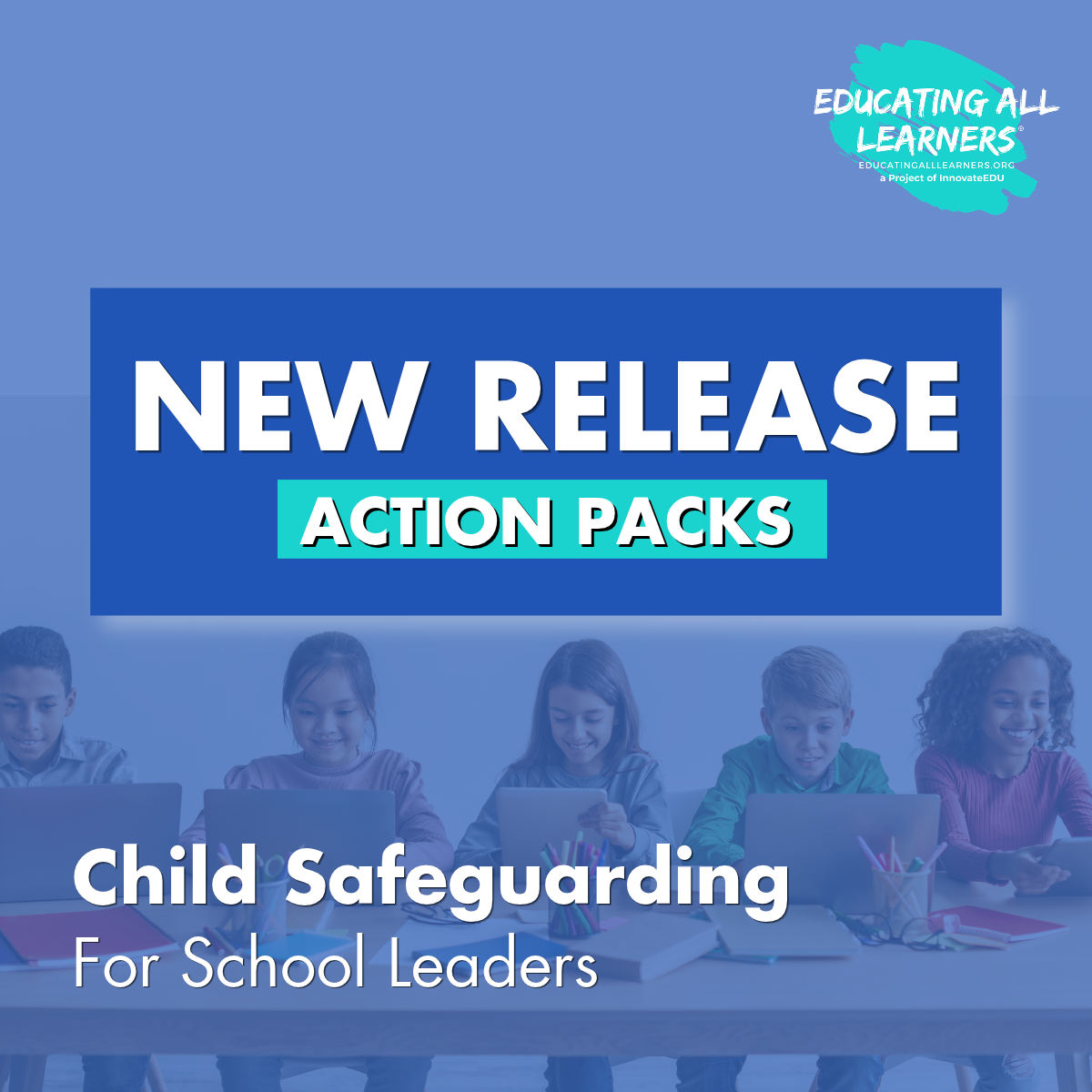
Child Safeguarding for School Leaders
The Child Safeguarding for School Leaders Action Pack from EALA helps school and district leaders navigate digital child safeguarding. This practical guide gives administrators actionable steps to shift from reactive restrictions to a proactive, safe-by-design environment.
-

Learning Disabilities and The Law: After High School: An Overview for Students
Depending on the individual and the learning disability, legal rights may or may not continue after high school. Children who receive services under the Individuals with Disabilities Education Act (“IDEA”) or the Rehabilitation Act of 1973 (“Rehabilitation Act”) in public elementary and secondary school may continue to have legal rights under certain federal laws, through…
-

Becoming an Autism-Informed Organization
A practical, web-first toolkit that brings together core concepts from the BAO curriculum into one cohesive resource. Use this hub to navigate 15 pages across five modules—each designed for quick implementation, team discussion, and ongoing improvement.
-
Own My Goals: Student Co-Authored IEP Framework
Own My Goals is a strengths-based, UDL-aligned framework that helps schools gather and use student input in IEP development. Its 12 storytelling tools help students understand how they learn, describe their strengths and needs, connect their experiences to their goals, and communicate what helps them succeed.
-

A World of Difference: Embracing Neurodiversity Videos
Award-winning A World of Difference: Embracing Neurodiversity celebrates and empowers families that are navigating the journey of learning differences. Produced by Beacon College, the show explores neurodiversity through conversations and interviews with experts, families, and successful adults who thrive with learning differences.
-

English Learners with Disabilities Toolkit
The National Center for Student Outcomes has put together a compilation of resources and tools to support English Learners with Disabilities.
-
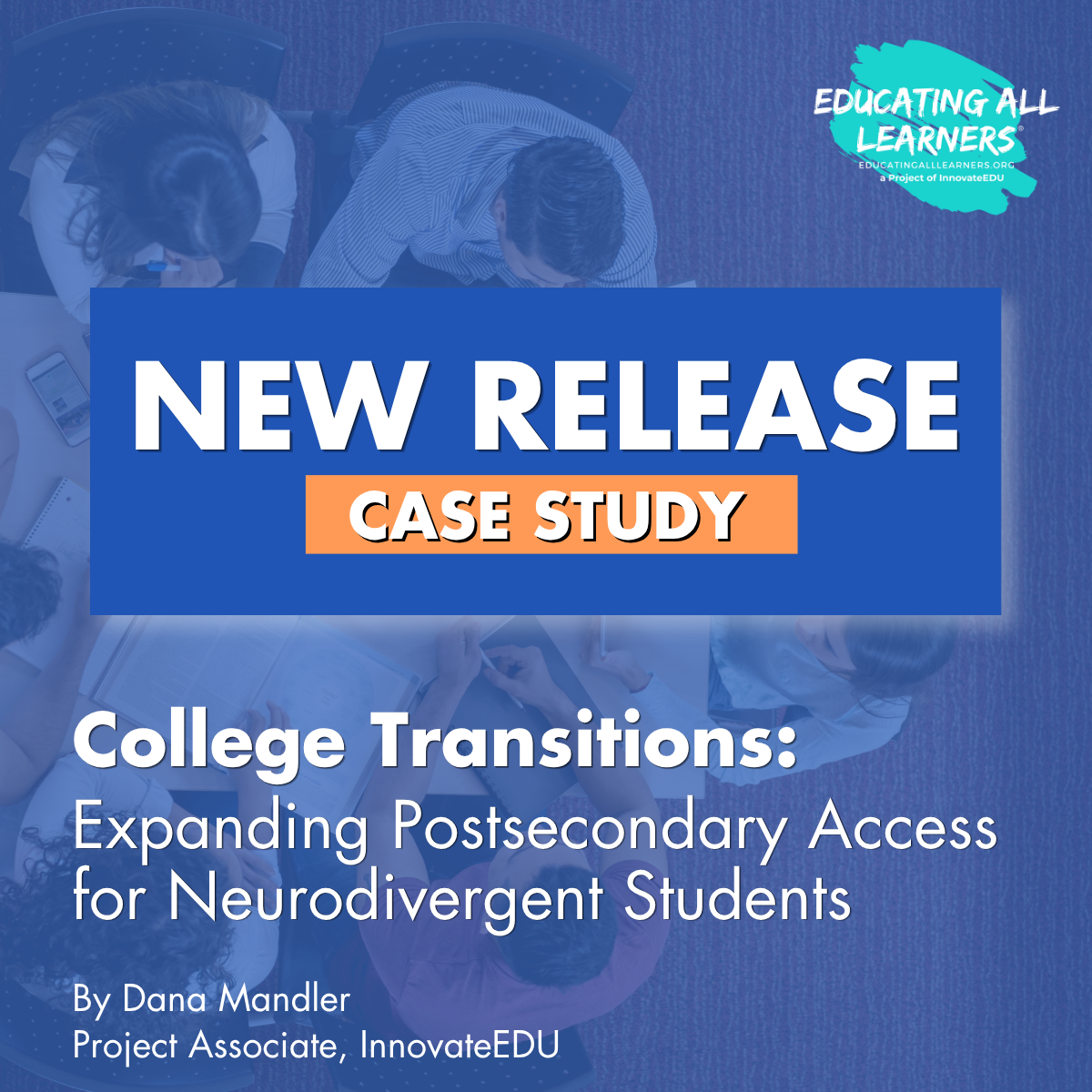
College Transitions: Expanding Postsecondary Access for Neurodivergent Students
College Transitions helps neurodivergent students and those with Intellectual and Developmental Disabilities (IDD) navigate the transition to higher education. As leaders in the field, the College Transitions team brings a mix of national experience, research, and practical program development to the table.
-

The State of Learning Disabilities: Strengthening Educator Confidence to Support
To better understand the conditions necessary to support and empower educators in meeting the needs of students with LD, the National Center for Learning Disabilities (NCLD), in partnership with WestEd, surveyed 1,654 general and special educators.